

FAQ'S
28 Most Asked Questions about Visiting Saudi Arabia Answered
Saudi Arabia is a contrast in ancient cultures and modern civilization. There are 6 UNESCO World Heritage Sites in Saudi Arabia:
The Red Sea offers beautiful beaches and world class diving and snorkeling. Saudi Arabia is known as the Birthplace of Islam and is home to both Mecca and Medina, the two most holy cities in the Muslim religion. Medina is newly open to Western visitors.
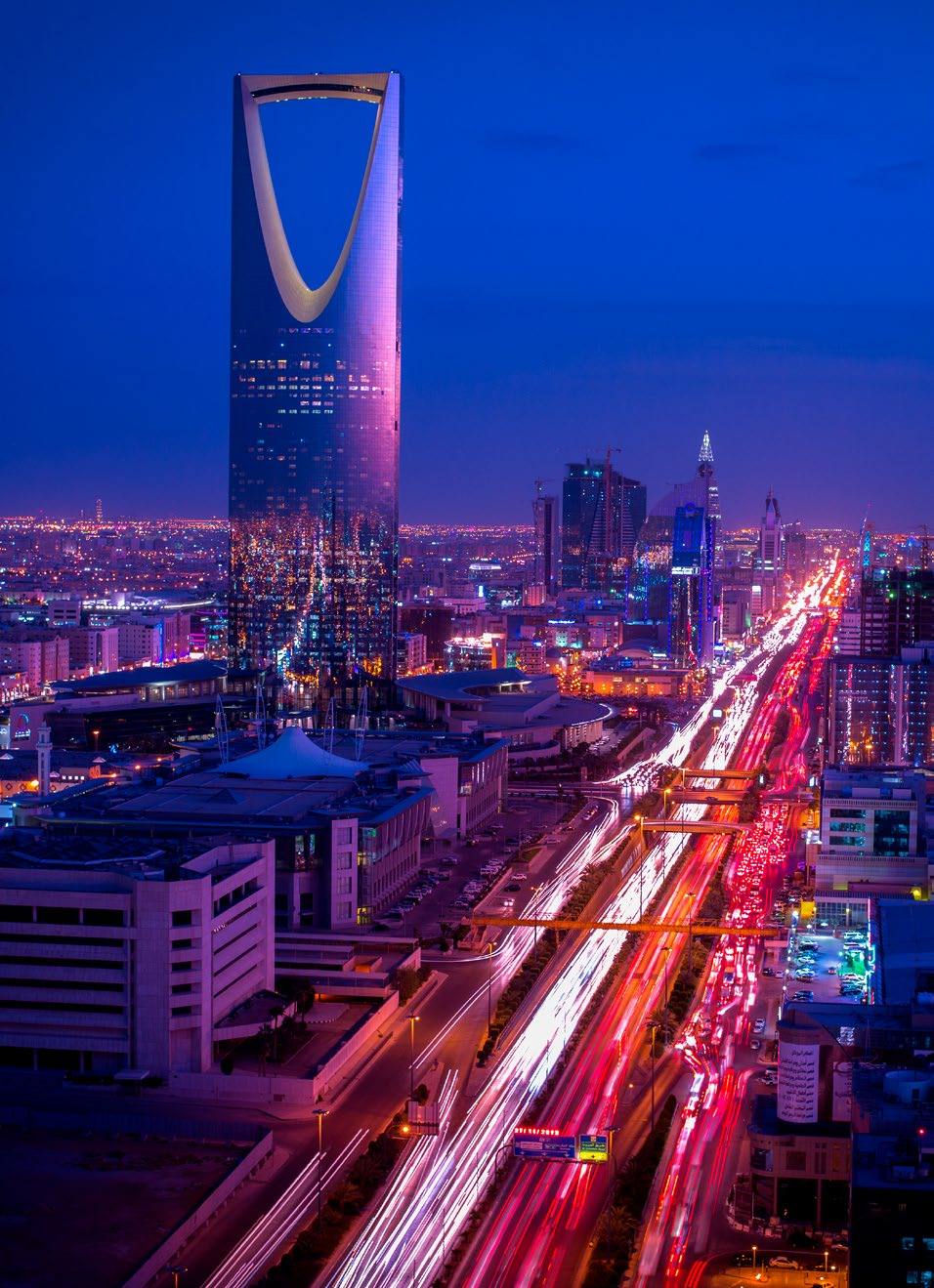
Modern and developing metropolitan cities of Riyadh and Jeddah offer world class museums shopping for items unique to Saudi in the souks, Michelin star dining and luxury hotels.
- Hegra Archaeological Site in AlUla.
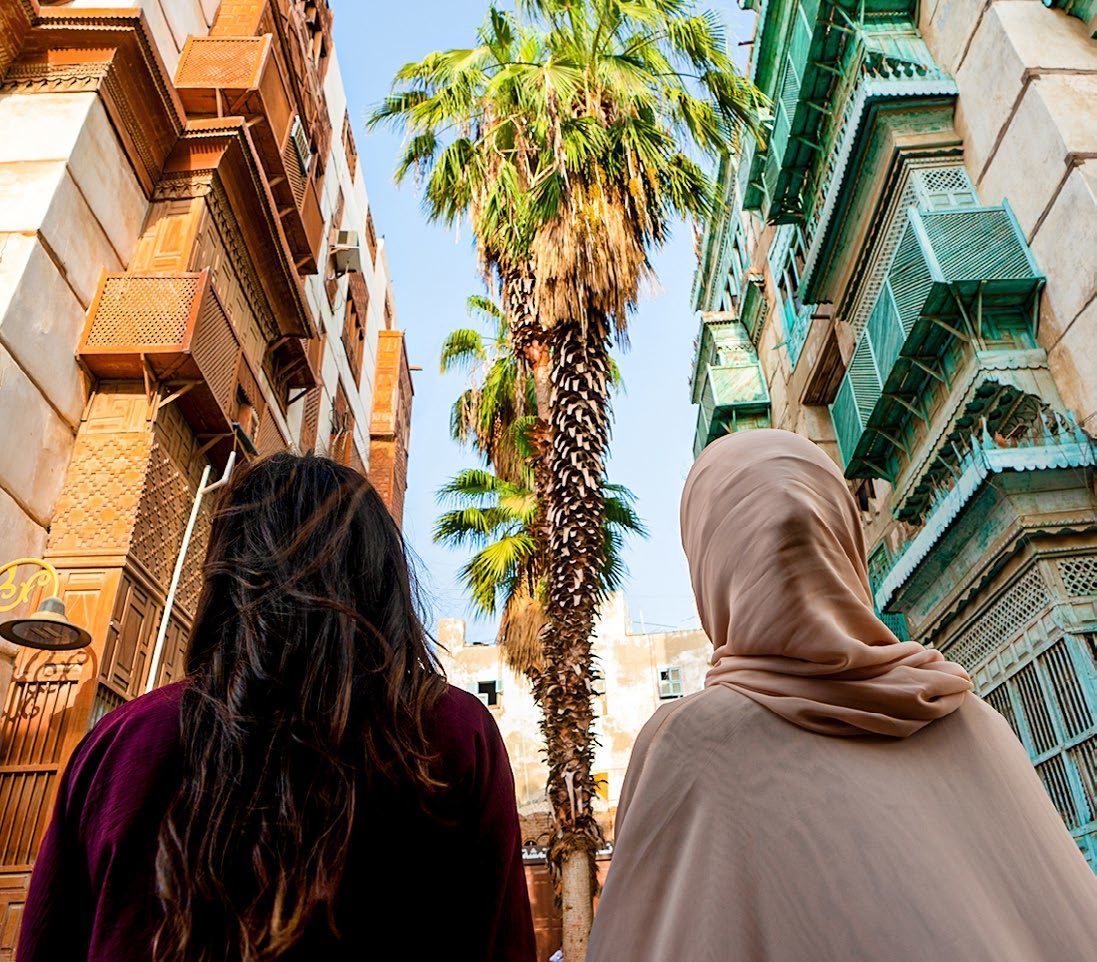
- Historic Old Town Jeddah.
- At-Turaif District in ad-Diriyah in Riyadh.
- Rock Art in the Hail Region.
- Hima Cultural Area.
- Al-Ahsa Oasis.
The Red Sea offers beautiful beaches and world class diving and snorkeling. Saudi Arabia is known as the Birthplace of Islam and is home to both Mecca and Medina, the two most holy cities in the Muslim religion. Medina is newly open to Western visitors.
Modern and developing metropolitan cities of Riyadh and Jeddah offer world class museums shopping for items unique to Saudi in the souks, Michelin star dining and luxury hotels.
Unlike other destinations, Saudi is largely undiscovered by Western tourists, meaning you will frequently find that you have the attraction all to yourselves!
- 1000 Year-old Medina – Tour the Prophet’s Mosque (Al-Masjid an-Nabawi) in Islam’s second holiest city.
- National Museum of Saudi Arabia – Learn Saudi history by following in the footsteps of illustrious kings and queens.
- Islamic Art – Experience the range of Islamic art at the Arab Islam Museum or history of Arabic literature at the King Abdulaziz Center for World Cultures.
- Jeddah Cornice – Take a stroll at sunset and mingle with locals winding down from a busy day.
- The Edge of the World – Stand in awe at this dramatic geological wonder with uninterrupted views of the horizon.
- Artistry & Scale of Madain Saleh – Called “the Petra of Saudi Arabia”, this UNESCO listed site includes over 4,000 acres of rockcut tombs and relics.
- AlUla Open Air Museum – See it from above via hot air balloon or restored vintage DC-3.
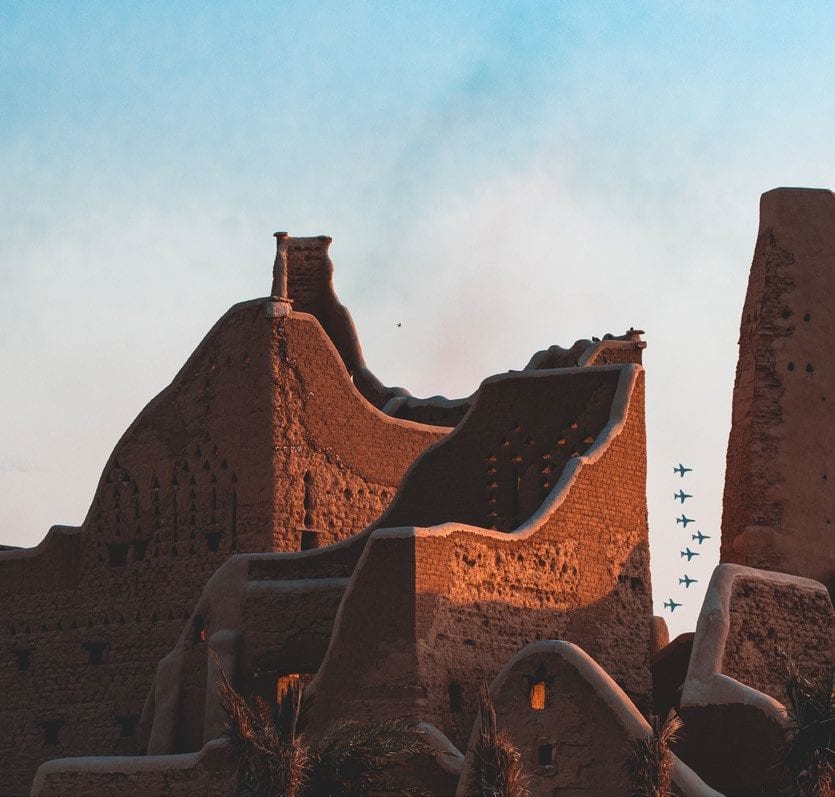
- Diriyah – Walk through this UNESCO World Heritage Site that’s the birthplace of first Saudi state and current home of the royal family.
- Al Ahsa Oasis – A UNESCO World Heritage Site known for it’s 30 million palm trees, world’s largest date farm and profound stillness and peaceful ambiance.
- The Souks – Bargain for Saudi crafts like colorful silk textiles, exotic spices or traditional gold Arabian jewelry.
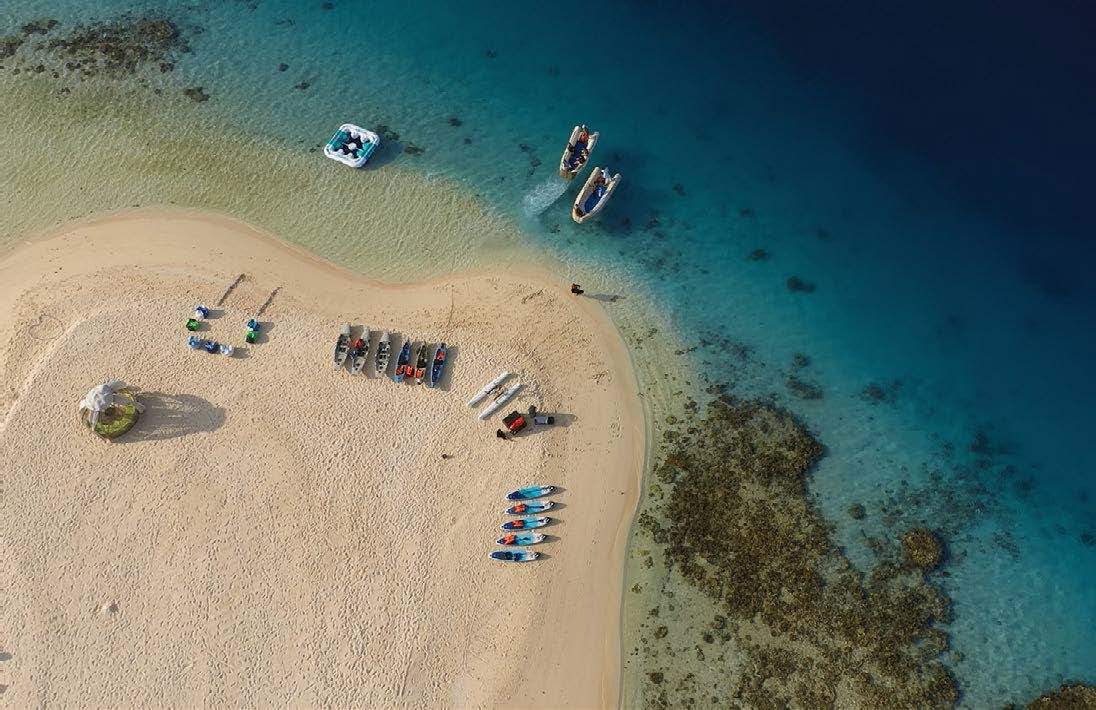
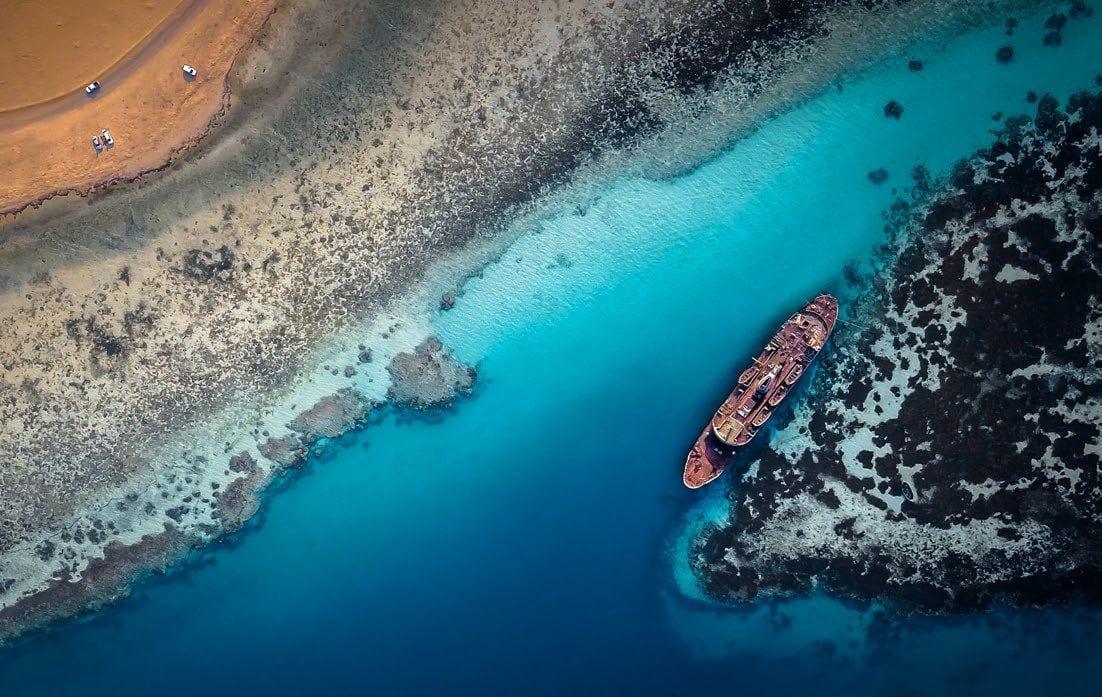
- Dive or Snorkel – Saudi boasts hundreds of reefs, corals, and wrecks, including more than 200 species of coral in different vibrant array.
One of the delights of visiting Saudi is the chance to sample the incredible array of fresh foods, which can vary widely depending on the region of the country. Of course, every meal is started with freshly baked Khubz flatbread, humus, fresh and locally grown vegetable salads or other traditional Meza.
In Jeddah, nicknamed Bride of the Sea, the treasure trove of freshly caught seafood is featured. This includes dishes like Mashramel, a fish dish prepared with a mixture of tahini, lemon juice, and garlic, before heading to the oven to be baked to perfection and then served with a sprinkle of pine nuts and parsley leaves.
In Riyadh, find traditional Najdi cuisine such as Kabsa (rice, chicken, vegetables and spices), Margook bread and Gorsan stew. Riyadh also features a robust array of fine dining options from across the world, including Chinese, Italian, Indian, Mexican, Japanese, Turkish and Thai food.
In Jeddah, nicknamed Bride of the Sea, the treasure trove of freshly caught seafood is featured. This includes dishes like Mashramel, a fish dish prepared with a mixture of tahini, lemon juice, and garlic, before heading to the oven to be baked to perfection and then served with a sprinkle of pine nuts and parsley leaves.
In Riyadh, find traditional Najdi cuisine such as Kabsa (rice, chicken, vegetables and spices), Margook bread and Gorsan stew. Riyadh also features a robust array of fine dining options from across the world, including Chinese, Italian, Indian, Mexican, Japanese, Turkish and Thai food.
Saudi Arabia is a large country – more than 3 times the size of Texas. The road network throughout the country is excellent, with signage in English in addition to Arabic. Cars drive on the right, just like in America.
While some top destinations are drivable – for example Red Sea dive sites and Medina from Jeddah, flights are required between other top destinations. Luckily Saudi is served by 35 moderns airports and 6 different domestic airlines, including the flag carrier Saudia, with frequent service at reasonable fares.
In the big cities like Riyadh and Jeddah, taxis and Uber are readily available.
While some top destinations are drivable – for example Red Sea dive sites and Medina from Jeddah, flights are required between other top destinations. Luckily Saudi is served by 35 moderns airports and 6 different domestic airlines, including the flag carrier Saudia, with frequent service at reasonable fares.
In the big cities like Riyadh and Jeddah, taxis and Uber are readily available.
The crime rate in Saudi is low – in 2021 Numbeo, the global quality of life database ranked Saudi Arabia as the 16th safest country in the world (out of almost 200). Solo women travelers are unlikely to encounter any problems.
Certainly, the role of women and how young the populace is are surprising to first time visitors. But what’s among the most frequently mentioned surprises is the extraordinary hospitality and curiosity of the Saudis encountered by visitors.
Among the traditions that play an important role in Saudi life include generosity and hospitality, which every Saudi family offers to strangers, friends, and family. The simplest expression of hospitality is coffee – its preparation alone is an intricate cultural tradition, and it is often served in small cups along with dates and sweets. While in some countries this type of offer is made to lure tourists into stores, in Saudi this gesture of hospitality has no ulterior motive.
Other early tourists have remarked that interest in understanding the visitor’s culture by Saudis they encounter is extraordinary. Given that they have only been welcomed in Saudi for a few years, many Saudis have never seen, spoken with or interacted with Western tourists.
They are politely inquisitive – wanting to know about your home country, family, occupation, reason for visiting Saudi Arabia, impressions of the Saudi people and more. One visitor remarked they have never been asked so often to allow a local to take a selfie of them together.
Among the traditions that play an important role in Saudi life include generosity and hospitality, which every Saudi family offers to strangers, friends, and family. The simplest expression of hospitality is coffee – its preparation alone is an intricate cultural tradition, and it is often served in small cups along with dates and sweets. While in some countries this type of offer is made to lure tourists into stores, in Saudi this gesture of hospitality has no ulterior motive.
Other early tourists have remarked that interest in understanding the visitor’s culture by Saudis they encounter is extraordinary. Given that they have only been welcomed in Saudi for a few years, many Saudis have never seen, spoken with or interacted with Western tourists.
They are politely inquisitive – wanting to know about your home country, family, occupation, reason for visiting Saudi Arabia, impressions of the Saudi people and more. One visitor remarked they have never been asked so often to allow a local to take a selfie of them together.
Historically Saudi has been a culturally and religiously conservative society. Tourism plays an important role in Vision 2030, diversifying the economy, welcoming tourism development investment, and helping accelerate cultural change.
Among those reforms are an evolution of century old customs to fit the contemporary world in which Saudis live today. This can be seen in such diverse areas as the role of women, funding a vibrant independent film industry and even allowing rock concerts. As a visitor to Saudi you will be able to witness the evolution yourself.
Among those reforms are an evolution of century old customs to fit the contemporary world in which Saudis live today. This can be seen in such diverse areas as the role of women, funding a vibrant independent film industry and even allowing rock concerts. As a visitor to Saudi you will be able to witness the evolution yourself.
Starting in 2017 Saudi Arabia began to remove many of the historic restrictions around women’s rights and modernize their culture through social reforms.
- Today women in Saudi Arabia enjoy many of the same freedoms found throughout the western world – with the right to vote, drive, work, travel, attend college and make life choices regarding living arrangements and marriage.
- Women are no longer required to wear traditional hajibs or to cover their head or face. Many younger women dress quite fashionably in both Arabic and western designer clothing.
- Women hold many high-profile executive positions in government and private industry. Over 50% of those employed in the tourism industry are women and the Ambassador to the United States from Saudi Arabia is a woman.
- By law women must be paid the same salary as men in the same job.
- Over two-thirds Saudi Arabian citizens are under the age of 35. For the past 10 years all Saudis receive free college education at any university around the world. Many Saudis attend college in Europe or North America before returning home to start their career. These globally educated women are accelerating the changes taking place in the country.
There are no restrictions for Jewish travelers holding U.S. or Canadian passports or for travelers with a passport stamp from Israel. Jewish history has taken place throughout the country, including the considerable population of Jews around Medina in the 6th and 7th centuries.
Unmarried couples, including same sex couples, are welcome to visit Saudi Arabia and stay in the same hotel room. However, like 70 other countries around the world, consensual same-sex sexual relationships are considered illegal in Saudi Arabia. Many countries throughout the Middle East, Africa, Asia and the Caribbean have similar laws.
All Muslim societies throughout the Middle East, Africa and Asia frown on public displays of affection, regardless of marital status or sexual orientation. Saudi Arabia is not an exception in that regard.
All Muslim societies throughout the Middle East, Africa and Asia frown on public displays of affection, regardless of marital status or sexual orientation. Saudi Arabia is not an exception in that regard.

EXCEPTIONAL Journey! It was important to discover that as a woman...I felt at ease everywhere we traveled.
People need to travel here to understand that there is so much more to a country than what the media portrays."
To be sure, this is a magical land very much in transition and in some contradiction; one foot still rooted in its extremely traditional past and one foot truly embracing modernity.
We all learned a great deal – but, of course, there is so much more to know. I can’t wait to return."
With the social reforms over the past 5 years both recorded and live music are allowed and embraced in Saudi Arabia. Concerts, music festivals, live music at restaurants and in the street are now common sights. Dancing is also allowed and there are no restrictions on dance partners.
Traditional dress – an abaya for women or thobe for men – is not required, although you will still see many locals wearing these styles due to comfort and heat. Head covering for women is not required. The traditional Hijab and Burqa is still popular, but more as a practical matter because of the heat or as a fashion statement with various colors and patterns compared to the traditional black.
Western clothing is common both among tourists and business environments. Modest dress for both women and men is encouraged, and tight-fitting clothing is not recommended. Many tourists dress in the same comfortable blouses and loose-fitting pants they wear as a tourist anywhere around the world.
In public places covering of shoulders and knees is recommended – similar to modesty requirements in Vatican City or at churches throughout Europe. If a scarf is expected to enter a mosque it will generally be provided or offered for sale nearby.
In gyms, pools and private beaches traditional workout gear and bathing suits are allowed. Some gyms and pools may have specific opening hours for women and men.
Western clothing is common both among tourists and business environments. Modest dress for both women and men is encouraged, and tight-fitting clothing is not recommended. Many tourists dress in the same comfortable blouses and loose-fitting pants they wear as a tourist anywhere around the world.
In public places covering of shoulders and knees is recommended – similar to modesty requirements in Vatican City or at churches throughout Europe. If a scarf is expected to enter a mosque it will generally be provided or offered for sale nearby.
In gyms, pools and private beaches traditional workout gear and bathing suits are allowed. Some gyms and pools may have specific opening hours for women and men.
Visitors to Saudi Arabia are expected to refrain from any public displays of affection and use of any curse words. Visitors should not make any derogatory remarks about Islam or depict the Prophet Mohammed visually.
There is no specific prohibition of taking photos of locals but asking for permission is a common courtesy every tourist should practice.
Alcohol is strictly prohibited. Alcohol is not for sale in the country and tourists may not bring alcohol with them. Recreational drug use is not permitted and subject to prosecution.
Muslims offer their prayers five times a day, which can range from 5 to 15 minutes. The exact time for call to prayer changes slightly from day to day. In some cities and neighborhoods stores will choose to close for up to 30 minutes during prayer times, although there is no longer a law requiring observation of prayer times. You may be asked to leave a store or café that is closing but otherwise you need not act any differently during prayer time than usual.
Saudia Airlines (a member of the SkyTeam alliance) flies non-stop from Los Angeles, New York, Washington and soon Chicago. Clients can easily connect to Saudi on Emirates, Etihad, Qatar, or Turkish Airlines with departures from a total of 16 major North American cities. Travelers can also conveniently connect in Amsterdam, Frankfurt, London or Paris.
All US and Canadian citizens need a valid passport and a visa to travel to Saudi Arabia. Saudi Arabia E-Visa is easy and quick to obtain online (at a cost of approximately $125 USD) and allows for multiple entries of up to 90 days each and a total of 180 days within a year of issue.
Arabic is the official language of Saudi Arabia, and English is a required secondary language taught in schools and is widely spoken throughout the country. Most signs on roads, buildings, museums and hotels, and most menus at restaurants are in both Arabic and English.
My trip to Saudi Arabia was the most educational and important trip that I have taken. Both men and women expressed to me that the country is no longer the same. Women and men work together, and women enjoy much more freedom than they did in the past.”
Saudi Arabia is on the right track to welcome the luxury travel sector. The enthusiasm of the tourism staff is infectious, and I have no doubt they will succeed.”
Saudi Arabia is 8 hours ahead of U.S. Eastern Standard Time.
The Saudi Riyal is set at a fixed conversion rate of 3.75 Riyal to 1 U.S. Dollar. Access to ATM machines is widespread in cities and towns but may be limited in rural areas. Major credit cards are widely accepted.
Tips are not expected but always appreciated for exceptional service.
Yes, Saudi Arabia uses plug type G, which has three rectangular pins in a triangular pattern. Saudi Arabia operates on 230V and 60Hz.
Most of the water comes from desalinization plants and most visitors prefer the taste of bottled water.
WiFi is widely available in cities and mobile broadband is common.
Medication should be packed in their original bottles with the prescription information visible. If possible, bring copies of the prescription receipt from the pharmacy.
In April of 2016, the leadership of Saudi unveiled Vision 2030 – a transformative economic and social reform blueprint that is opening Saudi Arabia up to the world. Vision 2030 incudes six Giga-Projects with over $7 trillion in investment fueling growth in the tourism sector:
In other words, tourism to Saudi Arabia will be growing exponentially over the coming years. Visiting sooner rather later might be wise for those who like to be somewhere before the crowds have discovered it.
- Red Sea Project – 50 luxury beachfront hotels set across 22 islands
- NEOM – A city of the future built from the ground up
- Diriyah Gate – Luxury hotels, restaurants and shopping in the birthplace of the kingdom
- Amaala – Ultra-luxury wellness destination
- Quddiya – Entertainment, sports and arts center three times the size of Disney World
- Aseer – A mountain peak resort complex
In other words, tourism to Saudi Arabia will be growing exponentially over the coming years. Visiting sooner rather later might be wise for those who like to be somewhere before the crowds have discovered it.